Introduction to Winter Camping in Norway
Winter camping in Norway tips are essential for anyone dreaming of sleeping under the northern lights, trekking through snow-covered forests, or experiencing true Arctic silence. Norway offers one of the most breathtaking winter wilderness experiences in the world. But it also demands respect, preparation, and knowledge.
Norway’s dramatic landscapes transform completely in winter. Fjords freeze at the edges, mountains disappear beneath deep snow, and daylight becomes a precious resource. While winter camping can be challenging, it is also deeply rewarding when done correctly. This guide provides practical, expert-backed winter camping in Norway tips to help beginners and experienced adventurers alike stay safe, warm, and confident.

Understanding Norway’s Winter Climate
Temperature Extremes
Norway’s winter temperatures vary dramatically by region. Inland and northern areas often drop below -20°C (-4°F), while coastal regions benefit from the warming Gulf Stream. However, sudden temperature shifts are common, making preparation critical.
Snow, Wind, and Daylight
Heavy snowfall, strong winds, and limited daylight define Norwegian winters. In northern regions near Tromsø, the sun may not rise for weeks. Wind chill can make temperatures feel far colder than the thermometer suggests.
Camping Gear Guide For Norway (2025)
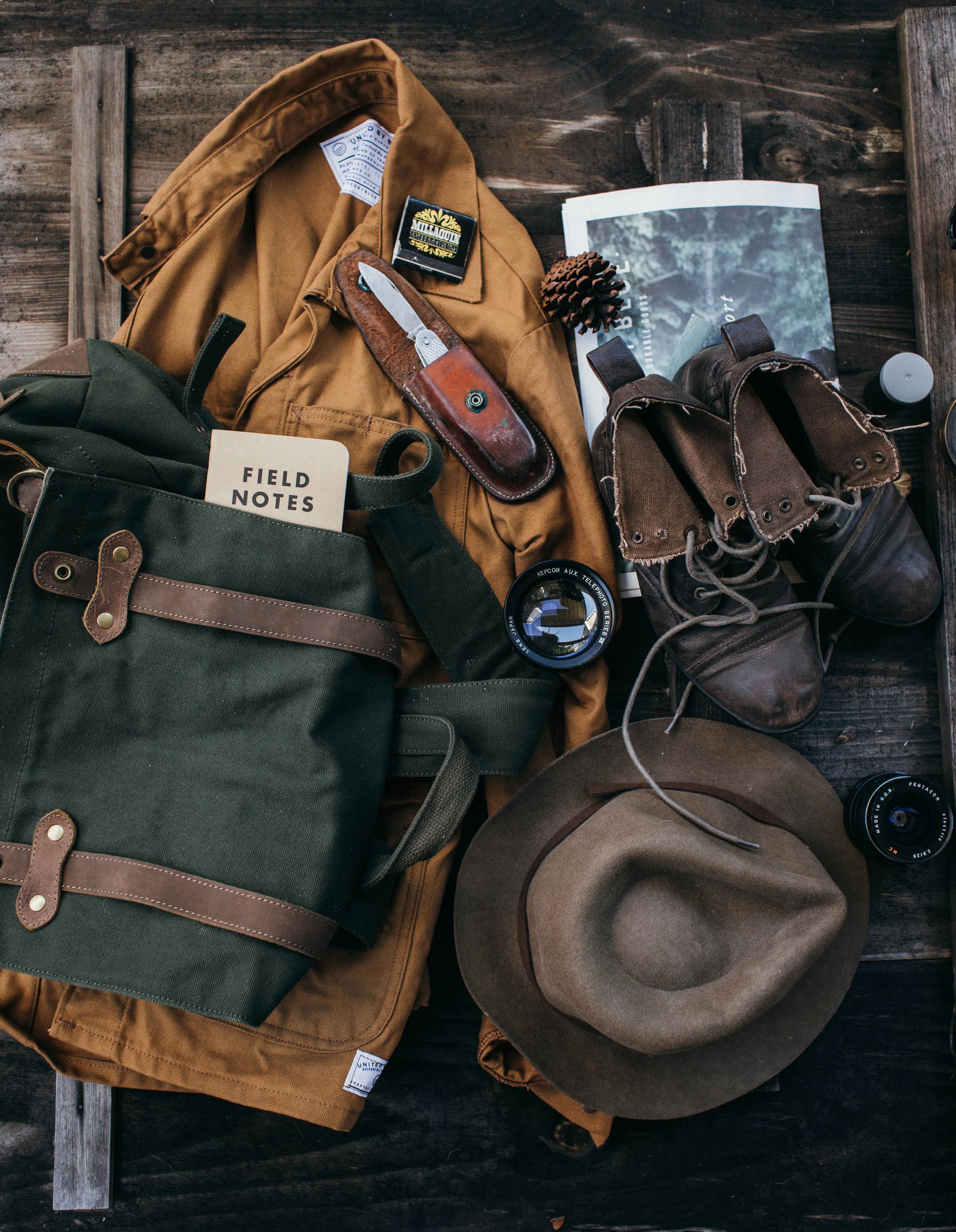
Planning a camping trip in Norway? Our camping gear guide covers the best tents, sleeping bags, and equipment you need for the fjords, mountains, and midnight sun.
Legal Rules for Camping in Norway
The Right to Roam (Allemannsretten)
Norway’s famous Allemannsretten allows free camping on uncultivated land—even in winter. You may camp for up to two nights in one place, provided you stay at least 150 meters from homes or cabins. Respect nature, pack out all waste, and avoid damaging vegetation beneath the snow.
Best Places for Winter Camping in Norway
Mountains vs Coastal Areas
Mountain regions like Jotunheimen National Park offer stunning alpine views but harsher conditions. Coastal areas provide milder temperatures and easier access.
Arctic Circle Destinations

Camping above the Arctic Circle near Lofoten Islands offers dramatic scenery and excellent chances to see the northern lights, but requires advanced winter skills.
Essential Winter Camping Gear
Winter Tents
Choose a four-season tent with strong poles and snow skirts. Lightweight summer tents will fail in heavy snow or high winds.
Sleeping Systems
A sleeping bag rated to -25°C (-13°F) or lower is crucial. Pair it with an insulated sleeping pad to prevent heat loss to the ground.
Clothing Layers
Use a three-layer system:
- Base layer: Moisture-wicking wool or synthetic
- Mid layer: Insulating fleece or down
- Outer layer: Windproof and waterproof shell
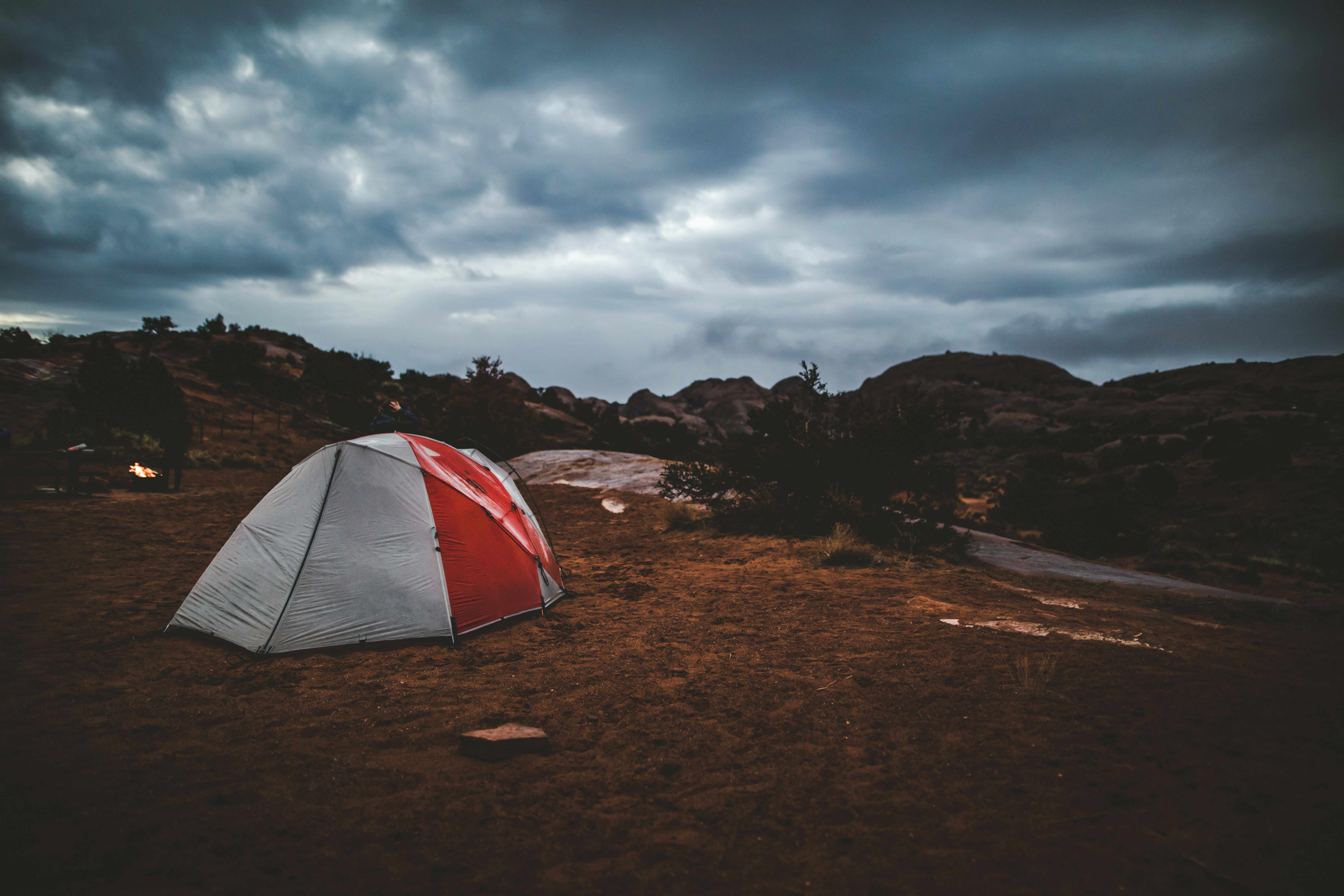
5 Best Camping Tents for Norwegian Nature
If you plan to explore Norway’s wild landscapes, your tent is the most important piece of equipment. The best camping tents for Norway are designed to handle strong winds, heavy…
How to Stay Warm While Winter Camping
One of the most valuable winter camping in Norway tips is to stay dry at all costs. Moisture equals cold. Ventilate your tent to reduce condensation, change into dry clothes before sleeping, and eat high-calorie meals to fuel body heat.
Choosing the Right Campsite
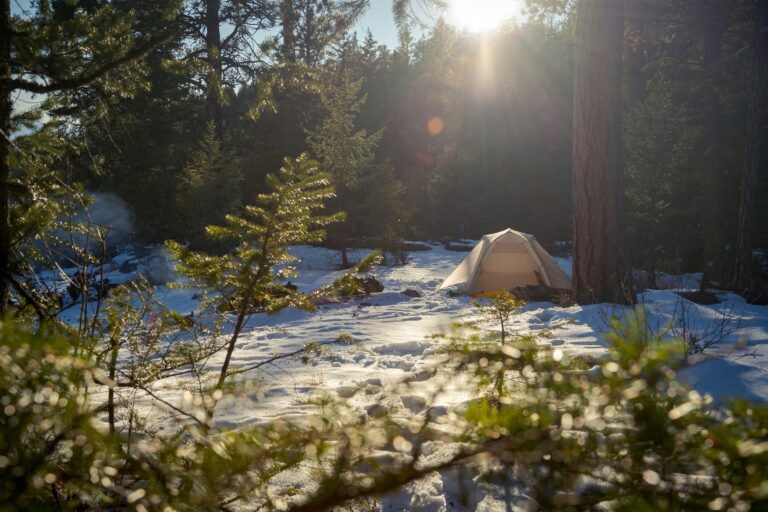
Avoid valleys where cold air settles. Look for natural windbreaks like trees or snowbanks. Always check avalanche risk before setting up camp, especially in mountainous terrain.
Snow Camping Techniques
Stamp down snow before pitching your tent to create a solid base. Build snow walls to block wind, and use snow anchors instead of standard tent pegs.
Cooking & Nutrition in Freezing Temperatures
Your body burns more calories in cold environments. Carry energy-dense foods such as nuts, cheese, chocolate, and freeze-dried meals. Liquid fuel stoves perform better than gas in extreme cold.
Water Collection & Hydration
Melting snow is the most common water source. Always melt clean snow and bring it to a boil. Dehydration is common in winter due to reduced thirst signals.
Fire Safety & Stove Use
Never use stoves inside a closed tent. Carbon monoxide is deadly and invisible. Keep stoves stable and well-ventilated.
Wildlife Awareness in Winter
Most animals hibernate or migrate, but moose and reindeer remain active. Store food securely and keep a respectful distance.
Avalanche Safety Basics
Carry avalanche gear (beacon, probe, shovel) in mountainous areas. Learn to recognize unstable snow conditions and avoid steep slopes after heavy snowfall.
Navigation & Communication
Snow can hide trails and landmarks. Use GPS devices, physical maps, and a compass. A satellite communicator is strongly recommended for remote areas.
Mental Preparation & Endurance
Winter camping tests both body and mind. Darkness, isolation, and cold can feel overwhelming. Staying positive and maintaining routines helps maintain morale.
Common Mistakes to Avoid
- Underestimating the cold
- Using inadequate gear
- Ignoring weather forecasts
- Camping too close to avalanche zones
FAQs About Winter Camping in Norway
Is winter camping in Norway safe for beginners?
Yes, with proper planning, gear, and conservative route choices.
Do I need a guide for winter camping in Norway?
Not required, but recommended for first-time winter campers.
Can I see northern lights while winter camping?
Absolutely—especially in northern regions with clear skies.
Is wild camping legal in winter?
Yes, under Allemannsretten, with responsible behavior.
What is the biggest danger when winter camping?
Hypothermia caused by wet clothing and wind exposure.
Do I need special permits?
Generally no, unless entering restricted areas or protected zones.
Conclusion & Final Safety Advice
Winter camping in Norway tips boil down to three things: preparation, respect for nature, and self-awareness. Norway’s winter wilderness is unforgiving, but with the right mindset and equipment, it offers an experience unlike any other on Earth. Plan carefully, start small, and always prioritize safety over ambition.