If you want the fjords without the fines, this guide is for you. It distills Norway’s freedom‑to‑roam rules (allemannsretten), the realities for motorhomes, how the summer bonfire ban works, and what to expect at rest areas. Skimmable, practical, and current for 2025.
What Allemannsretten Actually Allows (and Doesn’t) for Campers
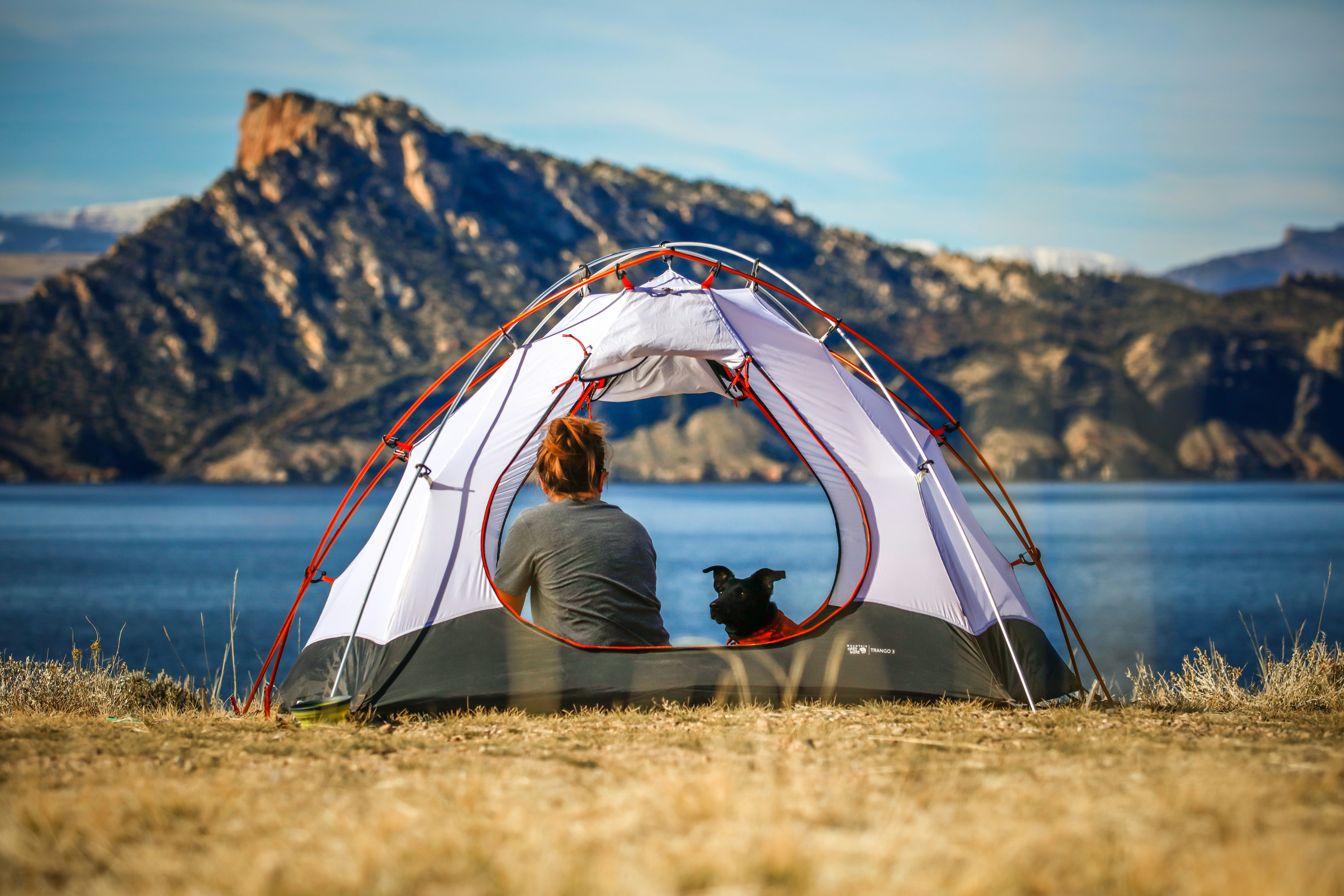
Quick take: In uncultivated land (utmark), you can hike and pitch a tent without asking for permission as long as you:
- Keep at least 150 meters from the nearest inhabited house or cabin.
- Stay max 2 nights in the same spot (longer is okay in high mountains or very remote areas).
- Don’t camp on cultivated land (innmark) like fields, gardens, or fenced pastures.
- Leave no trace: pack out all rubbish, respect wildlife, and keep noise down.
Motorized caveat: The right to roam doesn’t give any right to drive off‑road. See the motorhome section below.
Good to know: “Utmark vs. innmark” matters. Beaches, heath, and forests are generally utmark; private yards, fields, and building lots are innmark.
Read more about Allemannsretten here
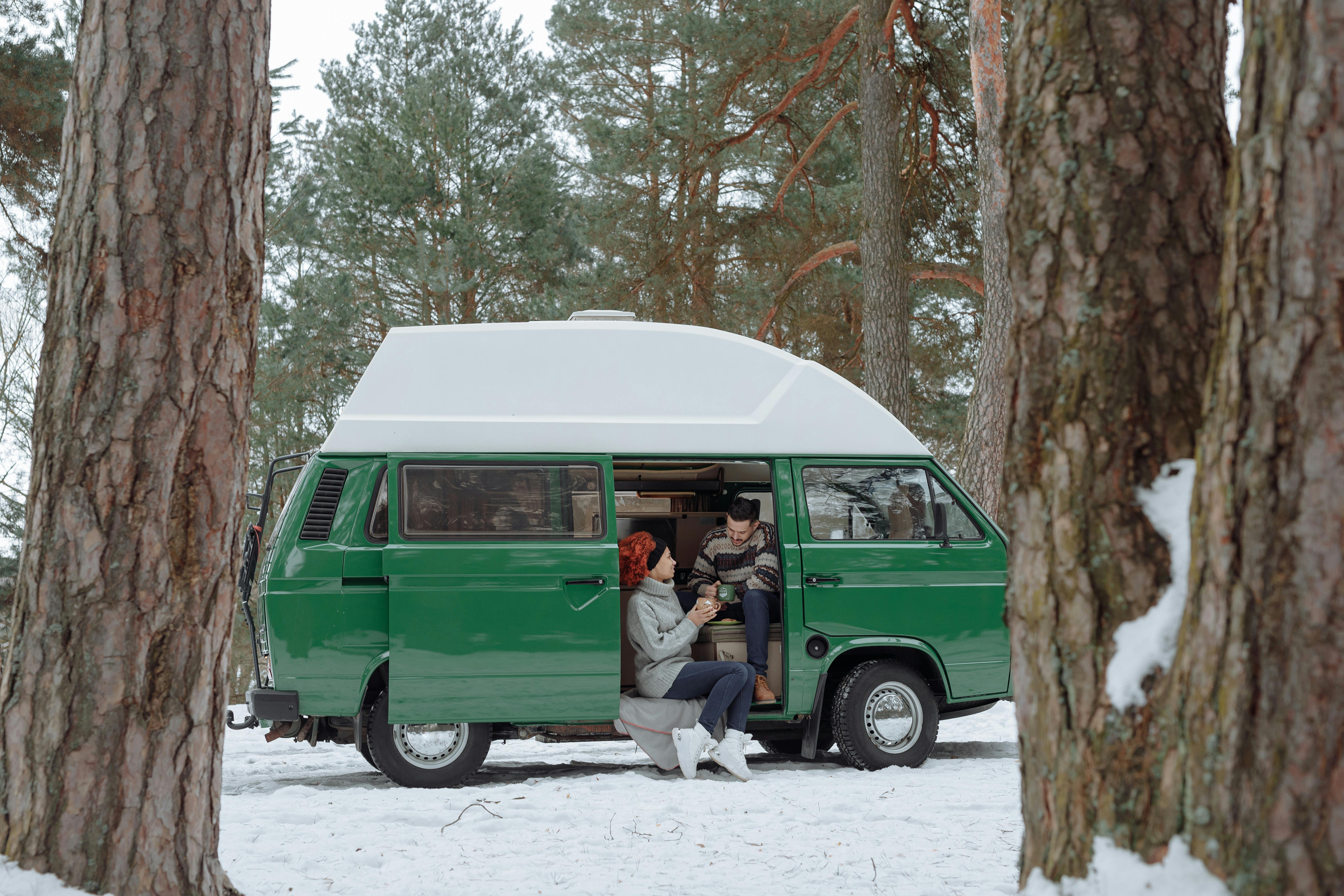
Motorhomes vs. Tents: Parking, Private Roads, and “No Camping” Signs
- You can’t drive into nature and call it roaming. Off‑road motorized travel is generally prohibited. Park legally on roads/parking areas, then walk to your tent spot if you’re wild camping on foot.
- Municipal restrictions exist. Big cities and some hotspots restrict motorhome parking to designated areas-especially in high season. Expect more rules in places like Lofoten and around famous viewpoints.
- Signs rule. If an area is signed “No camping” or has time‑limited parking, follow it. Allemannsretten doesn’t override posted restrictions or protected‑area rules.
- Best practice in peak season: Prefer campsites or official motorhome parking places (bobilparkering) in busy areas; you’ll reduce friction and support local services.
Practical parking checklist (motorhomes)
- Park only where parking is permitted (public lay‑bys, signed car parks, or designated motorhome areas).
- No sprawl: Avoid awnings, chairs, mats, or generators in regular car parks or at rest areas.
- Keep away from houses/cabins (150 m) if you are actually camping. Simply sleeping inside your vehicle in a legal parking space is usually fine unless signs say otherwise.
- Empty waste legally (avoid drains and nature). Use dump stations at campsites or service points.
See our guide to Norway road tolls for driving costs and how AutoPASS works.
The 150‑Metre / Two‑Night Rule Made Simple
- 150 m rule: Tent or motorhome camping must be at least 150 m from inhabited houses/cabins.
- 2‑night rule: You may stay up to two nights in the same spot (longer allowed in high mountains/remote areas).
- Ask if in doubt: If you want to stay longer or you’re close to agricultural land or homes, ask the landowner.
The Summer Fire Ban (15 Apr-15 Sep) + Exceptions & Local Checks
- General ban period: 15 April – 15 September each year. During this time, open fires and disposable barbecues are forbidden in or near forest and other outlying land.
- Local exceptions: Municipalities can grant permission or announce exceptions (e.g., after rainfall or on established grills).
- Common‑sense exception: If it’s obvious no fire risk exists (e.g., on snow/very wet ground), small fires may be allowed, but always verify local rules first.
- Safer alternatives: Use a gas stove with full control and a fire blanket; never leave heat sources unattended; extinguish fully.
If you light any fire (outside the ban period or with local permission): keep water/sand at hand, shield from wind, and leave the site cold to the touch.
Rest Areas, Time Limits & Popular‑Spot Restrictions (what to expect)
- Rest areas (rasteplasser) are built for short stops and driver rest. Overnighting is often tolerated where signed or not prohibited, but time limits vary (commonly up to 24 hours). Always follow posted signs.
- Døgnhvileplasser are official heavy‑vehicle (HGV) rest sites with facilities. They’re primarily aimed at professional drivers, don’t occupy signed HGV bays.
- Facilities can close in winter at some rest areas (water/toilets). Don’t rely on them year‑round.
- Tourist‑route hotspots (e.g., Lofoten, Stegastein) may trial stricter regulations in peak months to prevent congestion,expect more enforcement and clearer signage.
Simple etiquette at rest areas
- Park neatly in a bay. Keep exits clear.
- Use no outdoor setup unless it’s clearly allowed and there’s plenty of space.
- Keep noise low; depart on time per the sign.
Waste, Toilets & Being Welcome Back (quick etiquette toolkit)
- Toilet use: Prefer public toilets, service stations, or campsite facilities. If nature calls in the wild: go far from water and trails, dig a small hole (15–20 cm), and cover. Pack out paper.
- Grey/black water: Only empty at approved points (campsites, service areas). Never into nature, drains, or toilets not marked for chemical waste.
- Rubbish: Pack it out. Separate waste at sites that offer recycling. Micro‑litter (filters, wipes, cable ties) counts too, take it with you.
- Wildlife & livestock: Give space; never feed. Close gates after you.
- Dogs: Leash season is 1 April–20 August nationwide; some municipalities extend it or have extra rules (check locally). Always control your dog around livestock and wildlife.
Quick FAQ (fines, drones, dogs, fishing licence, etc.)
Is wild camping legal in Norway?
Yes, on utmark with distance and stay limits (150 m / 2 nights). Avoid innmark and signed/protected areas. Motorized off‑road driving is not allowed.
Can I sleep in my motorhome at a rest area?
Often yes for a limited time if not prohibited on the sign (commonly up to 24h). Rest areas are for rest, not full camping; keep a low profile and follow posted rules.
What about “No camping” signs?
They override general rules. Respect any prohibition or time limit, especially in cities and popular viewpoints.
When is the fire ban?
From 15 April to 15 September, open fires and disposable BBQs are generally banned in or near forest/outlying land. Municipalities can allow exceptions; always check locally.
Can I fly a drone?
Yes, but follow CAA Norway / EASA rules and local bans in protected areas or restricted airspace. Many national parks and city centers have restrictions.
Do I need a fishing licence?
- Freshwater: Yes, buy a fiskekort for the specific area (e.g., on Inatur).
- Salmon/sea trout/char in rivers: You must also pay the state fishing fee (fiskeravgift).
- Sea fishing with rod: No licence required, but follow size/bag limits.
One‑Minute “Do / Don’t” Checklist
Do
- Park legally; walk to your tent spot if wild camping on foot.
- Keep 150 m from houses/cabins; move after two nights.
- Check fire ban status and local rules before any flame or grill.
- Use official dump points; pack out all litter.
- Keep dogs under control (leash season Apr 1–Aug 20).
Don’t
- Drive off‑road or onto meadows/beaches.
- Sprawl with awnings/chairs where it’s not a campsite.
- Light fires during the ban (or when conditions are risky).
- Camp on cultivated land or ignore “No camping” signs.